The Jacksonville Beach or Riverfront Condo Move-In Packet, Decoded
COIs, elevator reservations, weekday move windows and deposits: how to read your Jacksonville condo move-in packet before moving day.
8 min read · Jacksonville, Florida
By 1st Choice Movers Team · Published

Buy or rent a condo at the beaches or along the river and the management office will hand you a packet, sometimes two pages, sometimes a hundred, with the move-in rules buried between the pool hours and the pet policy. Most people skim it.
Don't. That packet decides when the truck can show up, which elevator the crew gets, what paperwork has to be on file first, and how much of your deposit comes back. Below are the parts we'd read first, with examples from real Florida condo association documents.
Whether the building is at the beaches, in Ponte Vedra, or along the river in San Marco or the Southbank, the surprise is usually the same: the building's rules, not the size of the move, end up setting the schedule.
Why your building's packet matters more than your mover's quote
A moving quote covers the crew, the truck, and the time. The building controls the clock.
Here's a real example. The resident handbook for Beau Rivage, a condominium in Jacksonville, says owners have to submit a Moving In/Moving Out form to the office at least three days before the move, and that no move will be allowed without it. It limits moves to Monday through Friday, 8:00 a.m. to 4:30 p.m., and says that if a move runs into the next day, the resident should tell the office right away. It also asks residents to check furniture and appliance measurements with the maintenance supervisor, because large pieces may not fit in the elevators or through doors and narrow hallways.
A full unit that takes most of a day can't start at 11 a.m. in a building that stops moves at 4:30. A sectional that won't fit the elevator is a Tuesday problem, not a moving-day problem. None of that shows up in a quote unless you tell us, so send us the packet early.
Certificate of insurance: who the holder is and how far ahead to ask
What the building is actually asking for
A certificate of insurance (COI) is a short document from a mover's insurance agent showing the coverage it carries. Many associations won't let a crew in without one. Some get very specific. Rivo at Ringling, a condo association in Sarasota (we're using it here as a Florida example, not a Jacksonville one), asks for three things from the movers you hire: a certificate of liability insurance, auto insurance, and workers' comp. It also spells out exactly how the certificate holder has to be written: the association's name and street address.
Wording matters. If the packet says "XYZ Condominium Association, Inc." and the certificate says "XYZ Condos," some managers will bounce it. Send us the wording as-is.
Certificate holder vs. additional insured
These two phrases get mixed up all the time, and they aren't the same request.
Connecticut's Insurance Department put it plainly in a consumer bulletin: a certificate is just information about the coverage as of the day it's issued, and it gives the certificate holder no rights under the policy. To actually be protected under the policy, the holder has to be named an "additional insured" by the insurance company, and there may be a cost for that.
So if your packet says the association must be named as an additional insured, that's a different ask than listing them as the certificate holder, and our insurance agent needs to know which one. When you send us the packet, flag that line.
How far ahead to ask us
Ask for the COI when you book, not the week of. Our licensing page already says we'll provide a certificate of insurance in advance when your building, HOA, or property manager needs one.
A COI comes from an insurance agent, not from us directly, so it isn't always same-day. The safest plan is to send us the building's insurance requirements as soon as your move date is set, so there's time to fix anything the manager kicks back. The two snags we see most are a certificate holder name that doesn't exactly match the association's legal name, and a packet that asks for "additional insured" status when the request only mentioned a certificate.
Elevator reservations, padding the cab, and the "big elevator" rule
Most condo buildings treat the elevator as the bottleneck, and they write rules to protect it.
The rules and regulations for Oceanside 932 Condominium Association at Jacksonville Beach say large household items can only be moved through the common areas, elevators included, between 8:00 a.m. and 10:00 p.m. When moving those items, residents have to use the north elevator (the larger one), and everything has to be covered or cushioned to protect the elevator walls and floor.
That's a common pattern: one cab is the "moving elevator," and it has to be padded. Before moving day, ask the manager:
- Which elevator? Is there a freight or service car, and does it need a key or a staff member to run it?
- Who pads it? Some buildings hang their own elevator pads; others expect the mover to bring them.
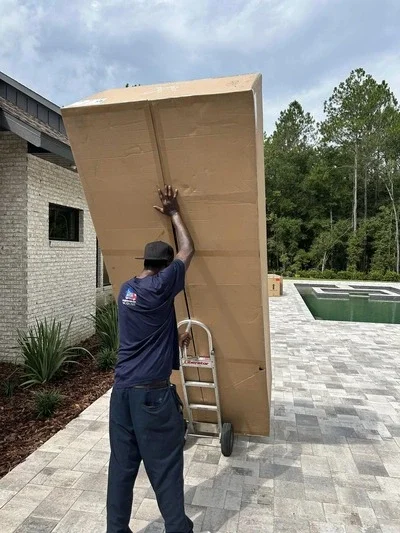
- How big is it? Get the door width, the cab depth, and the ceiling height. A tall headboard, a long sofa, or an armoire can be the difference between a smooth day and a piece that has to wait for another plan.
- Do I need to reserve it? If the building books the elevator, get your time in writing.
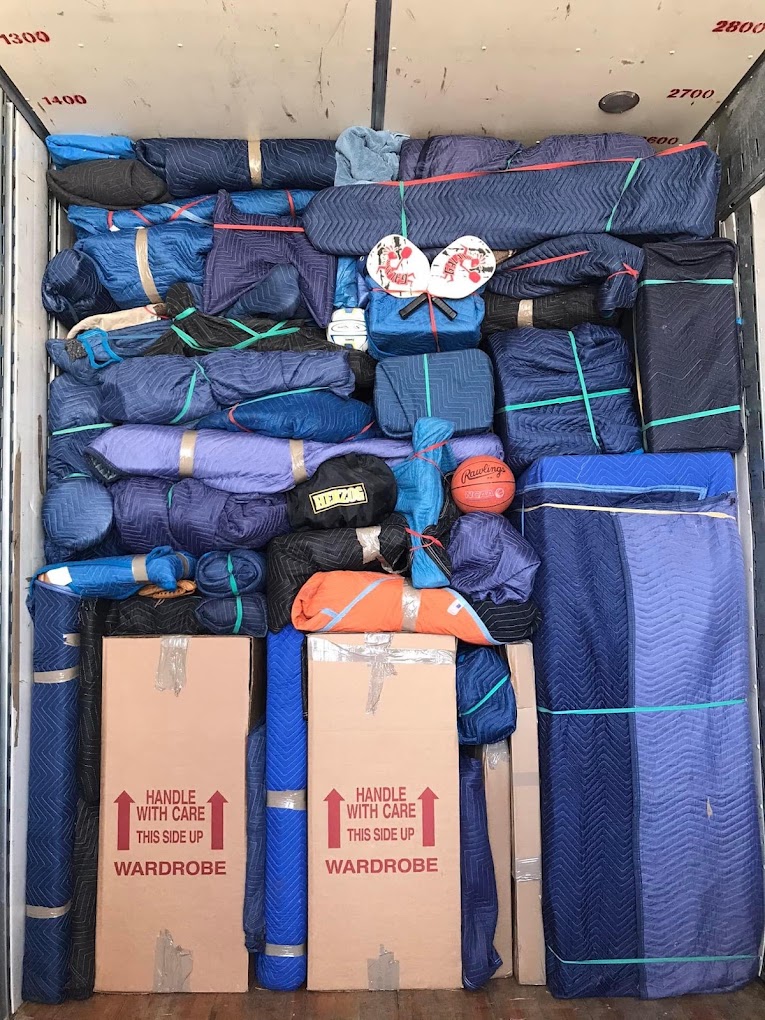
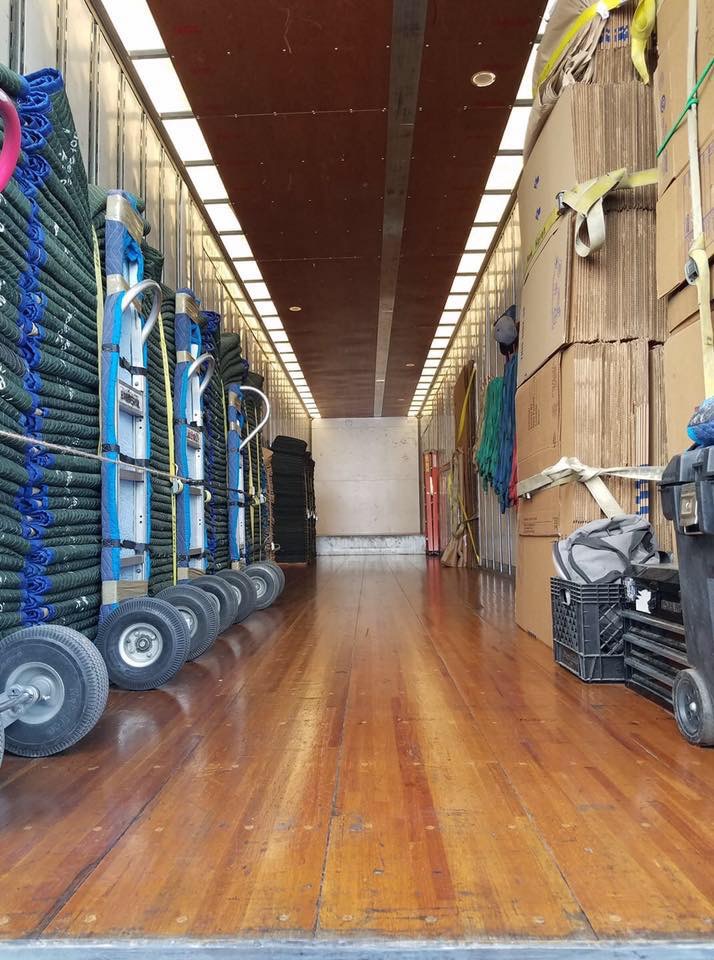
On our end, our condo page already says furniture pads and protection for shared hallways and elevators are standard on condo moves, not an add-on.
Even with the cab padded, the elevator is usually what sets the pace. When a crew has to share one car with residents, or the car is small, the fix is planning: staging furniture near the elevator so every trip goes up full, taking apart big pieces ahead of time, and telling the manager how long we expect to need the car so the reservation fits the job.
Move windows: weekday-only buildings and what happens if you run long
Weekday-only windows are common. Beau Rivage allows moves Monday through Friday, 8:00 a.m. to 4:30 p.m. Rivo at Ringling allows Monday through Friday, 8:00 a.m. to 4:00 p.m., says no moves after 4:00 or on weekends, and lists a $150 fine for residents who break the rule. Other buildings give you a longer daily window, like the 8:00 a.m. to 10:00 p.m. rule for large items at Oceanside 932.
When the window is tight:
- Start when the window opens.
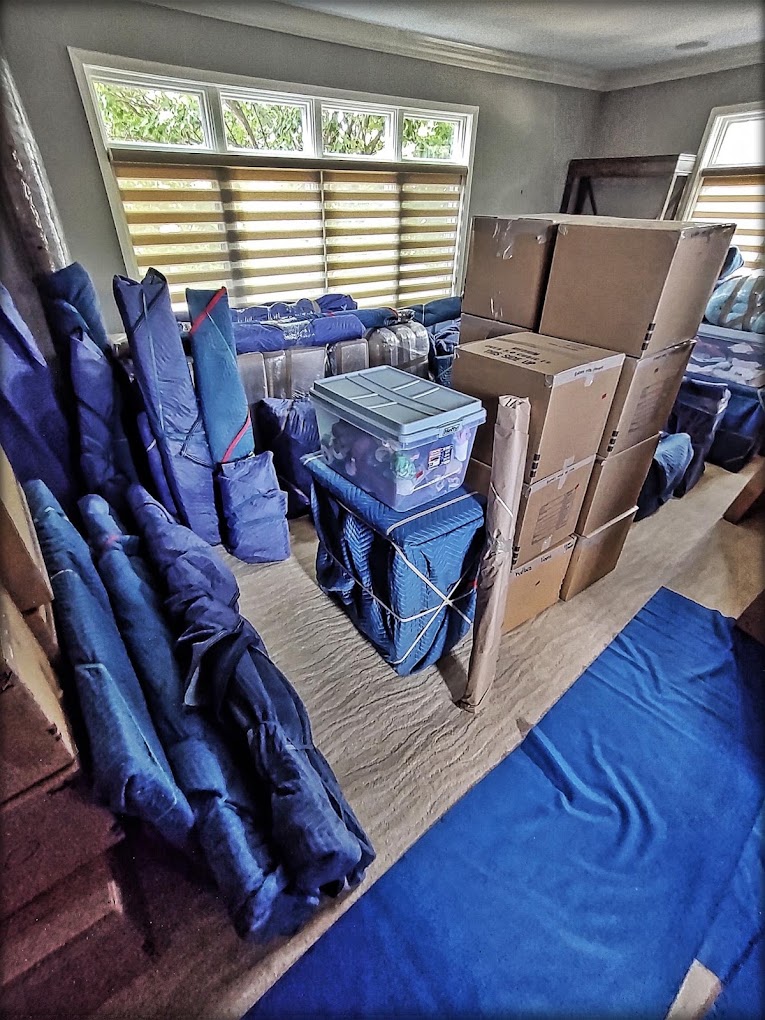
- Have everything packed and closed. Loose items are the slowest to load.
- Take apart what you can ahead of time, or tell us so it's in the plan.
- Split it over two days if needed. Beau Rivage's handbook asks residents to notify the office if a move runs into the next day. Ask your manager how they handle it.
When a window gets tight, the worst move is to rush. If it's clear a move won't finish before the cutoff, the better call is to tell the manager early and agree on how the rest gets done, rather than having a crew stopped halfway with a hallway full of furniture.
Deposits and move fees: what gets deducted and how we avoid it
Many associations charge a refundable damage deposit, a non-refundable move fee, or both. Rivo at Ringling, for example, lists a $1,000 refundable deposit that comes back if there's no damage to association property, plus a $100 non-refundable fee to reserve the loading dock and freight elevator. It also says hallway carpeting should be covered, and any damage comes out of the deposit. Beau Rivage's handbook says damage to association property is the resident's responsibility.
What protects that deposit:
- Walk the path with the manager before the move. Lobby, elevator cab, hallway, and your door frame. Take photos with time stamps.
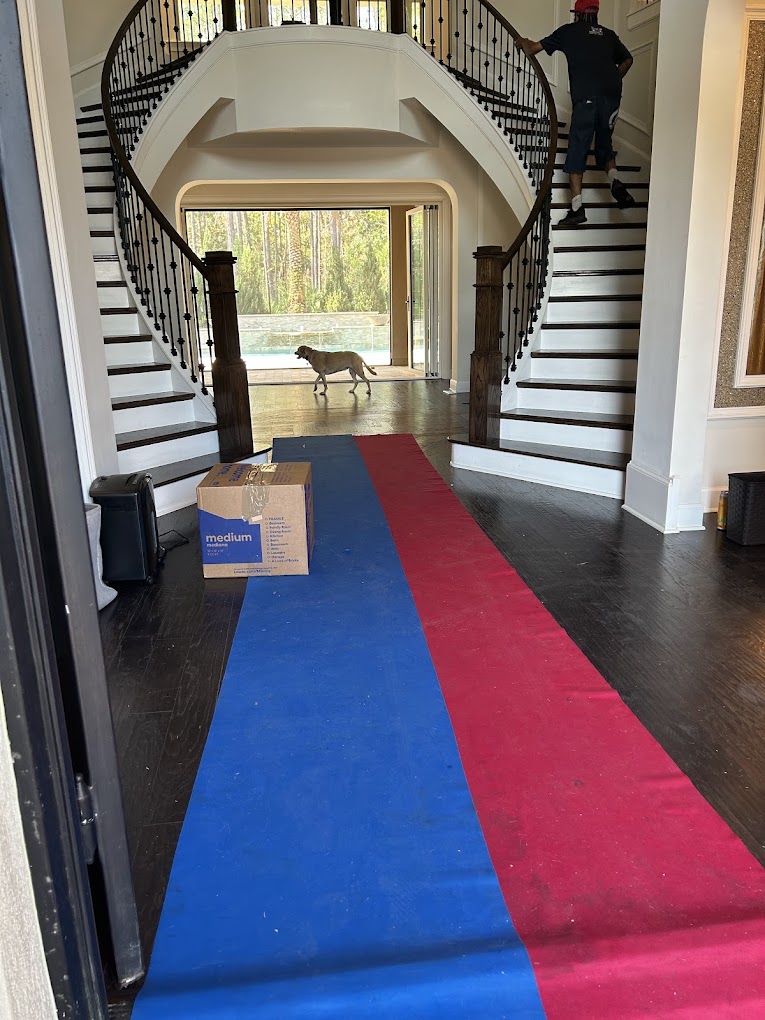
- Cover what the building cares about. Hallway carpet, elevator walls, door jambs, and corners. Our site already mentions door jamb and corner protection.
- Walk it again after. Get the manager to sign off, in writing or by email, that the common areas are fine.
- Know who the check is made out to. Packets often say "payable to the association," not the management company.
Parking, loading docks, and long carries at the beaches
At a lot of buildings, the hardest part is where the truck can sit. Oceanside 932's rules say commercial trucks can't be parked on the condominium property without prior written approval from the association. Rivo at Ringling lets one truck use its alley for an hour, and after that the city may ticket it unless the resident gets a parking permit. Ask, and get the answer in writing.
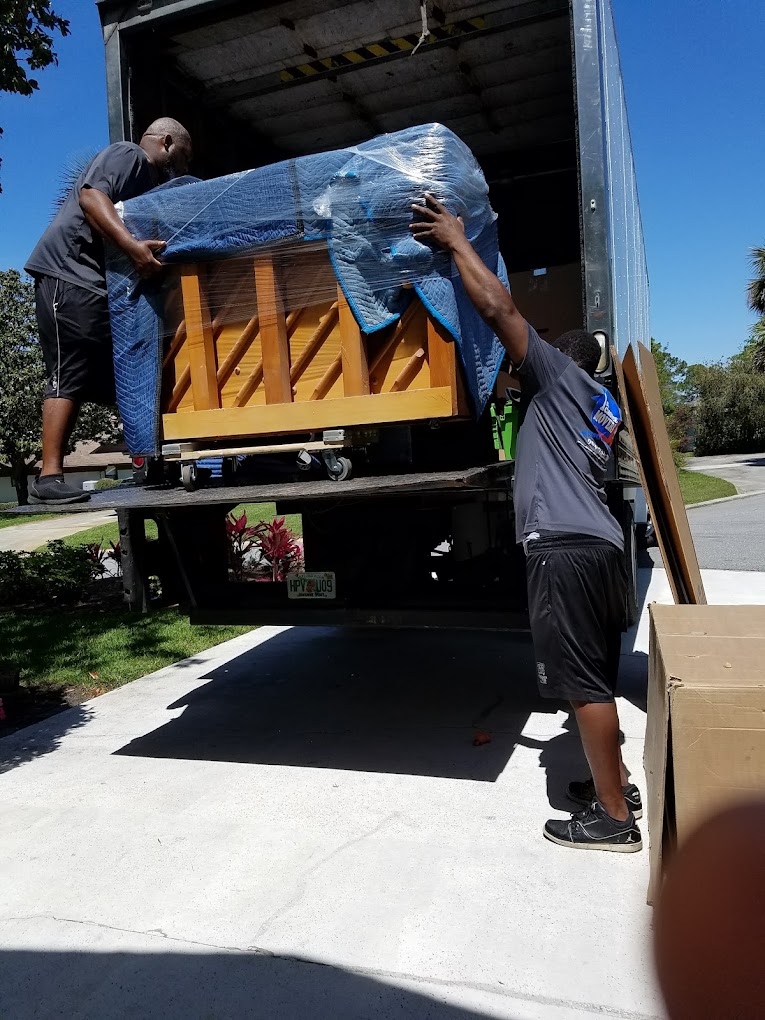
Distance matters too. Florida's moving law lists "long carry," meaning carrying items an excessive distance to or from the truck, as one of the accessorial services a mover can charge for. If the truck has to park well away from the elevator, that can show up as a line on your estimate. Tell us how far it is from the legal truck spot to the door, and whether there's a loading dock, a height limit on a parking garage, or a guard gate.
At beach and riverfront buildings, the usual issues are parking garages too low for a moving truck, loading docks shared with deliveries, and a legal truck spot that's a long walk from the elevator. The more of that we know before moving day, the more accurately we can plan the crew, the truck, and the time.
A checklist to send your building manager this week
Copy this into an email to your manager, then forward their answers (or the whole packet) to us:
- Is there a move-in form, and how many days ahead does it need to be in?
- What days and hours are moves allowed? Any holiday blackouts?
- Which elevator, how do we reserve it, who runs it, and what are the door and cab dimensions?
- Does the building hang its own elevator pads, or should the movers bring them?
- What insurance does the mover need (liability, auto, workers' comp), and what are the minimums?
- What is the exact certificate-holder wording? Does the association need to be an additional insured?
- What are the deposit and move fee, who are the checks payable to, and when is the deposit returned?
- Where can the truck park? Is there a dock, permit, gate code, guard, or fob?
- Where do empty boxes and packing paper go?
- Who is our moving-day contact, and what's their cell number?
FAQ
Do I have to get the certificate of insurance myself?
No. Your building sets the requirements, and your mover's insurance agent issues the certificate. Just pass along the exact wording from the packet.
My building only allows weekday moves. Can we move on a Saturday anyway?
That's the association's call. Ask the manager in writing. Moving outside the window can bring a fine ($150 at one Sarasota association).
What's the difference between a certificate holder and an additional insured?
A certificate holder gets a document showing the mover's coverage. An additional insured is actually added to the policy by the insurance company. If your packet asks for additional insured status, tell your mover early, because it's a separate request.
How do I make sure I get my condo deposit back?
Photograph the lobby, elevator, and hallway before and after, make sure floors and walls are covered during the move, and get the manager's sign-off in writing when the move is done.